Track What You Actually Wear — Without Turning It Into a Second Job
Here's a thing most of us do: we convince ourselves we wear everything in our closet. We say we rotate. We say we love that blazer. We say the green wrap dress gets plenty of use. And then we do a real closet audit and discover that, yeah, we've been wearing the same eight pieces on loop for the past four months while everything else just hangs there looking pretty.
The solution isn't guilt. It's data. Casual, low-effort, actually-useful data.
Tracking your outfits doesn't have to mean building a spreadsheet that rivals a quarterly budget report. It can be as simple as a photo, a note, or a quick tap in an app. The goal isn't to optimize yourself into some kind of fashion robot — it's to finally know, with real certainty, what's working in your wardrobe and what's just taking up space.
Why Tracking Actually Matters
Most of us shop based on feelings. We feel like we need more basics. We feel like our wardrobe is boring. We feel like we have nothing to wear even though our closet is full. Those feelings are real, but they're not always accurate.
When you start documenting what you actually wear, patterns show up fast. You'll notice you reach for the same three pairs of pants every single week. You'll see that the dress you bought on a whim in February has never made it past the hanger. You'll realize that what you thought was your "going out" top is actually your "working from home on a Tuesday" top because it's just that comfortable.
This kind of clarity is genuinely useful. It tells you what your real style is — not the aspirational version you build in your head while scrolling — but the actual choices your body makes when you're tired on a Wednesday morning and just need to get dressed.
The Photo Grid Method (Low-Tech, High-Payoff)
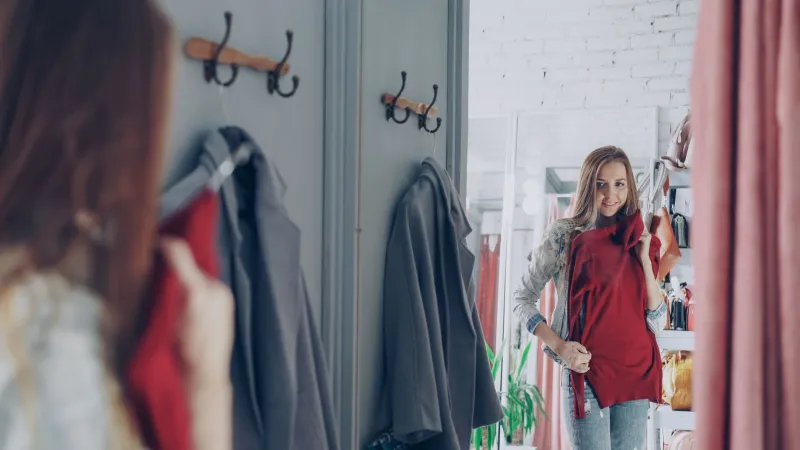
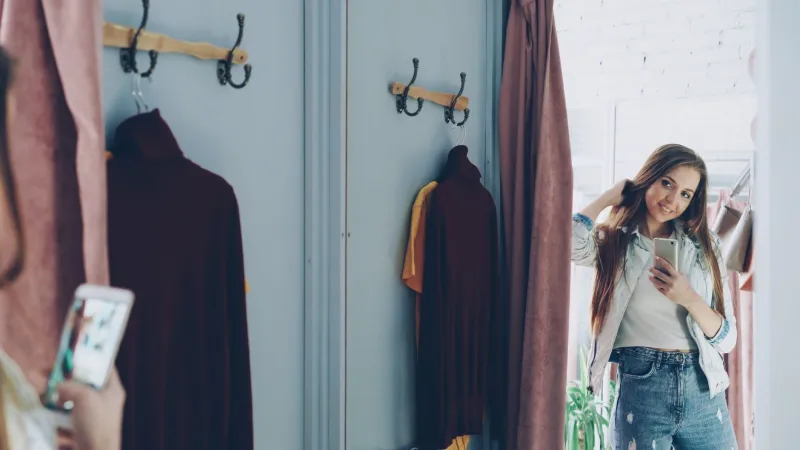
This is the easiest entry point and honestly the one with the highest stick rate. Every morning before you leave the house — or even just before you sit down to work — take a quick mirror selfie or a flat lay of what you're wearing. You don't need good lighting. You don't need to look cute. You just need documentation.
Store these in a dedicated album on your phone. After 30 days, scroll through. You'll see immediately which pieces are showing up on repeat, which items never appear, and whether your actual everyday style matches the vibe you think you have.
Bonus: these photos become your personal lookbook. When you're stuck in a morning rut, you can scroll back through and find combinations you've already proven work for you.
Spreadsheets for the Data-Minded (Yes, Really)
If you're someone who finds comfort in structure — and there's no shame in that — a simple Google Sheet can be surprisingly satisfying. You don't need to track every detail. Just the basics:
- Date
- Key pieces worn (top, bottom, shoes, layer)
- Occasion (work, casual, errand run, event)
- How you felt in it (a simple 1–5 or just a word)
After a month or two, you can filter by piece to see how often something actually gets worn. You can filter by occasion to see where your wardrobe gaps actually are. It sounds like a lot, but once you build the habit, it takes about 90 seconds a day.
Apps That Do Most of the Work for You
If you want the photo method but with more organization, apps like Stylebook, Whering, or even just a dedicated Pinterest board can help you log outfits with minimal friction. Several of these apps let you photograph your actual clothes, build a digital closet, and then log outfits from that inventory. Over time, they'll show you your most-worn pieces and your neglected ones.
The key is picking one method and sticking with it for at least three weeks. The data doesn't get useful until you have enough of it to see a pattern.
What the Data Will Actually Tell You
Once you've got a few weeks of tracking under your belt, here's what to look for:
Your real favorites. These are the pieces that show up constantly. They deserve center placement in your closet and they're the blueprint for future purchases. When you go shopping, ask yourself: does this feel like one of those pieces?
The permanent bench-warmers. Items that never get worn aren't necessarily bad — sometimes they just need better placement, a new pairing, or an honest conversation about whether they belong in your life at all.
Your actual lifestyle. If 90% of your outfits are casual and comfortable, your wardrobe should reflect that — not be dominated by formal pieces you keep buying because you think you should have them.
The Permission Slip You Didn't Know You Needed
Here's the thing about tracking outfit repeats: it removes the guilt completely. When you can see that your black wide-leg trousers have been worn 14 times in 60 days, you stop apologizing for loving them. Repetition isn't a style failure. It's evidence that you found something that actually works.
Tracking doesn't mean you're obsessing over your wardrobe. It means you're paying attention to it — which is honestly the most stylish thing you can do. Because style isn't about having the most clothes. It's about knowing exactly which ones are yours.