The Angela Boyd Thrift Guide: Score Designer Finds for Under $50 Without Getting Burned
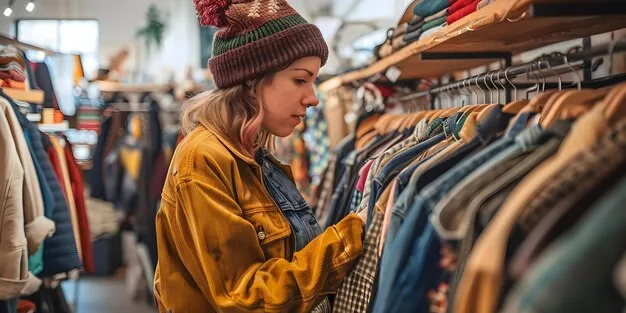
Photo: woman thrift shopping vintage clothing rack designer finds, via img.freepik.com
I want to tell you about a silk Diane von Furstenberg wrap dress I found last spring. Tags still attached, barely worn, in a colorway that wasn't even available online anymore. I paid $18 for it at a Goodwill in suburban New Jersey.
That's the promise of thrifting — and yes, it's absolutely real. But let me be honest with you: that kind of find doesn't happen by accident. It happens because I've spent years learning where to look, what to look for, and — just as importantly — what to walk away from.
This is the guide I wish I'd had when I started. No fluff, no vague advice. Just the actual strategies that work.
Why Thrifting Is Having a Serious Moment (And Why That's a Double-Edged Sword)
Thrift shopping in America has exploded. The secondhand market is projected to hit $73 billion by 2028, according to ThredUp's annual resale report, and platforms like Depop, Poshmark, and ThredUp have made it easier than ever to shop vintage and pre-loved from your couch.
But here's the catch: popularity has changed the game. Thrift stores in major cities — especially in trendy neighborhoods — have started pricing items closer to boutique retail. Resellers are hitting the racks early and flipping pieces online at a markup. And online platforms are flooded with listings that make it harder to spot genuine value.
So yes, the deals are still out there. You just have to be smarter about finding them.
Where I Actually Shop (The Platforms Worth Your Time)
For online thrifting:
- ThredUp — Best for casual everyday brands and workwear. Their quality ratings are generally reliable, and their search filters are excellent. I've found J.Crew, Madewell, and Ann Taylor pieces here for under $15.
- Poshmark — A mixed bag, but gold for designer if you're patient. Use the "Make an Offer" feature aggressively. Most sellers price high expecting negotiation.
- eBay — Underrated for vintage and true designer. Search completed listings to see what things actually sell for, not just what sellers are asking.
- Depop — Skews younger and more trend-driven. Great for vintage band tees, Y2K pieces, and anything with a streetwear edge.
- The RealReal — On the pricier side, but authenticated luxury. Worth checking their sale section for pieces that have been marked down multiple times.
- Facebook Marketplace — Genuinely slept on. Local sellers often don't know what they have, and you can negotiate in person. I've found Kate Spade, Coach, and even a Tory Burch tote this way.
For in-person thrifting:
- Goodwill — The classic. Inconsistent, but the volume means the odds are in your favor if you go regularly. Boutique Goodwills in wealthy zip codes are your best bet for designer.
- Salvation Army — Similar to Goodwill. Their color-tag rotation sales (often 50% off) are worth timing your visits around.
- Savers / Value Village — Slightly better organized than some Goodwills and often has a solid accessories section.
- Local consignment shops — These are curated, so you're paying a little more, but the quality control is built in. Worth it for shoes and bags especially.
- Estate sales — This is where serious thrifters play. EstateSales.net lists sales near you. Arrive on the last day for the best discounts.
What to Look For (And How to Authenticate Quality)
Finding something is only half the game. Knowing whether it's actually worth buying is the other half.
Check the fabric content label first. Natural fibers — silk, wool, cashmere, cotton, linen — are almost always worth the price in a thrift context. Synthetic blends can look great new but pill, stretch, and wear badly over time. If a blazer is 100% wool and fits well, it's a yes. If it's 100% polyester and costs $20 at a thrift store, that's a hard pass.
Examine the construction. Turn the piece inside out. Are the seams finished neatly? Are the stitches even? Does the lining lay flat? Quality construction is one of the most reliable indicators of a well-made garment, and it holds up even after years of wear.
Look at the hardware. On bags, shoes, and jackets, metal hardware is a major quality signal. Solid, weighty hardware that doesn't feel hollow or flimsy is a good sign. Cheap hardware often scratches, tarnishes, or loosens quickly.
For designer authentication:
- Check stitching consistency on logos and monograms — uneven stitching is a red flag.
- Look for serial numbers, date codes, or authenticity cards where applicable (common with Louis Vuitton, Coach, and Gucci).
- When in doubt, use an app like Entrupy or post to a brand-specific authentication group on Reddit before committing to a big purchase.
Red Flags That Should Make You Put It Back
- Permanent odors. Musty, smoky, or mildew smells rarely wash out completely, no matter what anyone tells you.
- Pilling that's already advanced. A little pilling on a cashmere piece is normal; heavy pilling means the fabric is already degraded.
- Broken zippers or missing buttons on otherwise expensive pieces. Unless you're handy with repairs, factor in the cost and effort before buying.
- Stains in hard-to-treat areas. Armpit stains on silk, oil stains on light fabrics, and rust stains on anything are almost always permanent.
- Suspiciously low prices on "designer" items. If a Chanel bag is $40 at an online thrift shop with no authentication, it's not Chanel.
Making Vintage Feel Current: The Styling Piece
Finding the piece is one thing. Wearing it in a way that feels fresh and intentional is another.
The easiest trick? Anchor vintage with one modern piece. A 1990s slip dress feels current when you layer it over a modern ribbed turtleneck and add sleek square-toe mules. A vintage blazer with exaggerated shoulders reads fashion-forward when you pair it with straight-leg jeans and simple white sneakers — the contrast between old and new is exactly what makes the look interesting.
Tailoring is your secret weapon. A $12 vintage blazer that fits perfectly will always look more expensive than a $200 blazer that doesn't. Many alterations cost under $30 and completely transform a piece. I always factor potential tailoring costs into my thrift budget.
And finally — lean into the story. One of the best things about thrifted pieces is that they have history. A silk blouse from the 80s, a structured bag from the early 2000s, a wool coat that's clearly been loved — these pieces add depth to an outfit that fast fashion simply can't replicate.
The Thrift Mindset
Thrifting well is a skill, and like any skill, it gets easier with practice. You'll walk out empty-handed sometimes. You'll occasionally buy something that doesn't work at home. That's part of it.
But when you pull that perfect piece — the one that fits like it was made for you, in a fabric that feels incredible, for a price that makes you want to call someone — there's nothing quite like it.
That's the thrift rush. And once you catch it, you're in it for life.
